In June 2016, Nicole Moore saw a New York Times headline that left her fed-up and fired-up: “The End of Black Harlem.” A native New Yorker who'd lived in Harlem for nearly 19 years, Nicole understood what the media refused to see– Black culture in Harlem wasn't dying, it was thriving… on its own terms.
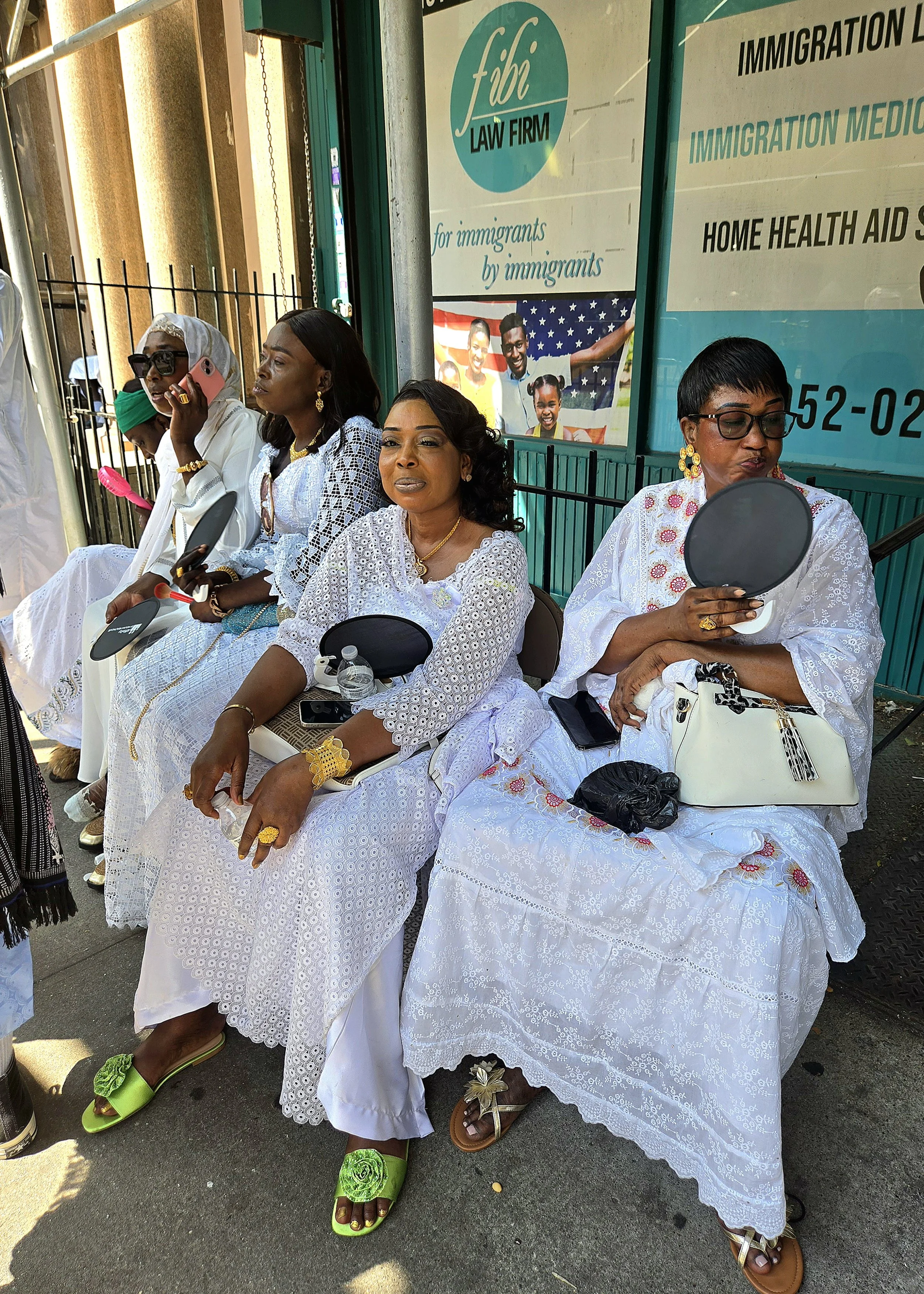
For Nicole, it was imperative to correct and own this narrative because she knew the easiest way to kill something is to claim it's dead even though it still lives. Black Harlem was alive with the African drumming in Marcus Garvey Park, the Senegalese hair braiders along 125th Street, the basketball tournaments in Rucker Park, the memorials of legendary performers like Prince at The Apollo Theater, and the pageantry of women going to church on Sundays. In 2016, four years before America’s racial reckoning, there was already an explosion of new Black-owned businesses in Harlem that included Melba’s, Red Rooster, NiLu, and BLVD Bistro. Evidence that Black Harlem was far from ending.
That op-ed, which read more like an obituary, featured an image of Elizabeth Catlett’s sculpture “Invisible Man: A Memorial to Ralph Ellison” to tell Harlem's story. The irony was sharp: Ellison's 1952 novel of the same name traced a Black man's journey from the South to Harlem, where he confronted systemic racism that rendered him invisible. More than 60 years later, Nicole created a Facebook group where she posted the op-ed with the caption– “Black Harlem Lives!”-- in resistance to that same invisibility.
And the response was massive!
The BHL Facebook Group grew from 20 members (Nicole’s friends) to over 800 in a year. Now with a presence on Instagram, BHL has over 5K followers across both platforms.
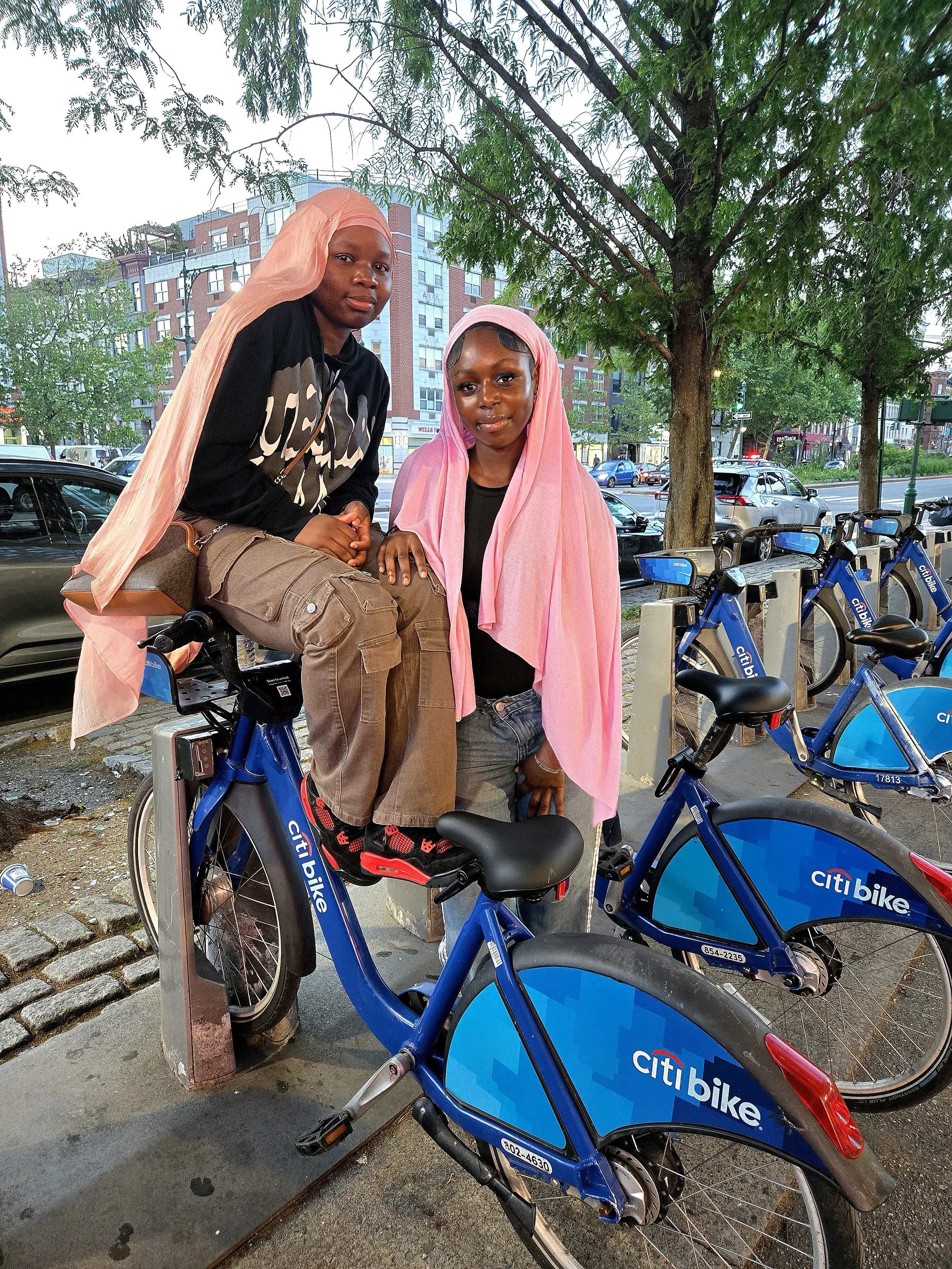
Black Harlem Lives is a social campaign that pushes back against the erasure caused by sexism, racism, homophobia and gentrification as much as it is a “love letter” to Harlem. BHL uses photography and storytelling as tools to curate a living archive that centers joy. With a mission of uplifting the vibrancy and diversity of the community north of 96th Street, Black Harlem Lives affirms what's long been true: In a long lineage of Black survival and resilience, Harlem has maintained a sense of itself because the people who call the neighborhood home refuse to be erased.